
Trial morning reveals 2 forensic experts
The Warner trial resumed Friday morning in Lenawee County Circuit Court with testimony from two Michigan State Police forensic experts focusing on fingerprint and paint analysis. The Warner trial session centered on laboratory methods used to examine evidence tied to Tank 34.
Judge Michael R. Olsaver first placed additional exhibit rulings on the record. Exhibits 194 through 198 and 267 were admitted. The court also admitted Exhibits 230 and 228 over defense objections. Defense counsel argued Exhibit 230 lacked a specific date and was more prejudicial than probative. The judge ruled the timeframe was sufficiently established between data extractions in May 2022 and overruled the objection.
Before testimony resumed, the court addressed a concern raised by jurors about conversations in the gallery and reminded spectators to limit distractions.
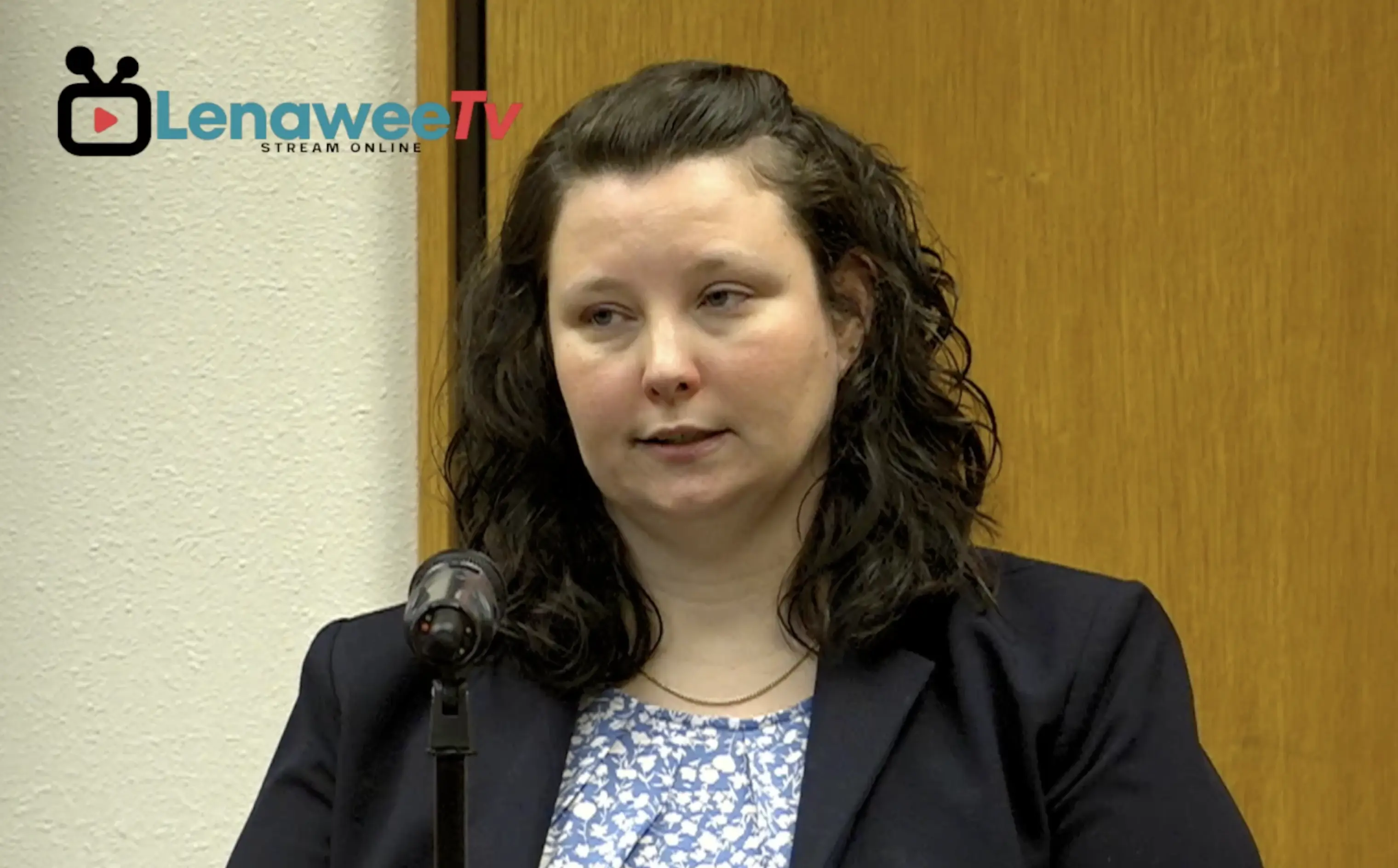
 The prosecution then called Michigan State Police forensic scientist Amanda Isett, who works in the Latent Print Unit in Northville. Isett was qualified as an expert in fingerprint analysis. She explained the ACE-V methodology, analysis, comparison, evaluation and verification, used to examine latent prints.
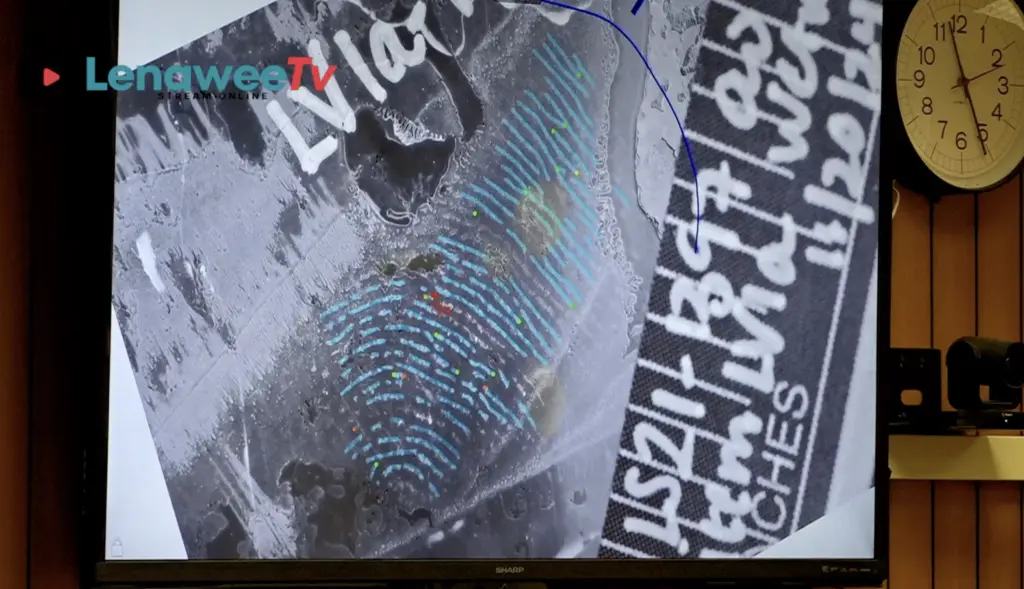
Isett testified she processed the exterior of Tank 34 in August 2021 at the Northville laboratory. She powdered the lower exterior and removed several stickers before paint sampling occurred. One ammonia sticker was collected and processed using a wet powder technique on the adhesive side. Isett testified that process yielded a latent fingerprint. She described photographing, digitally enhancing and ridge-tracing the print before any comparison to known impressions.
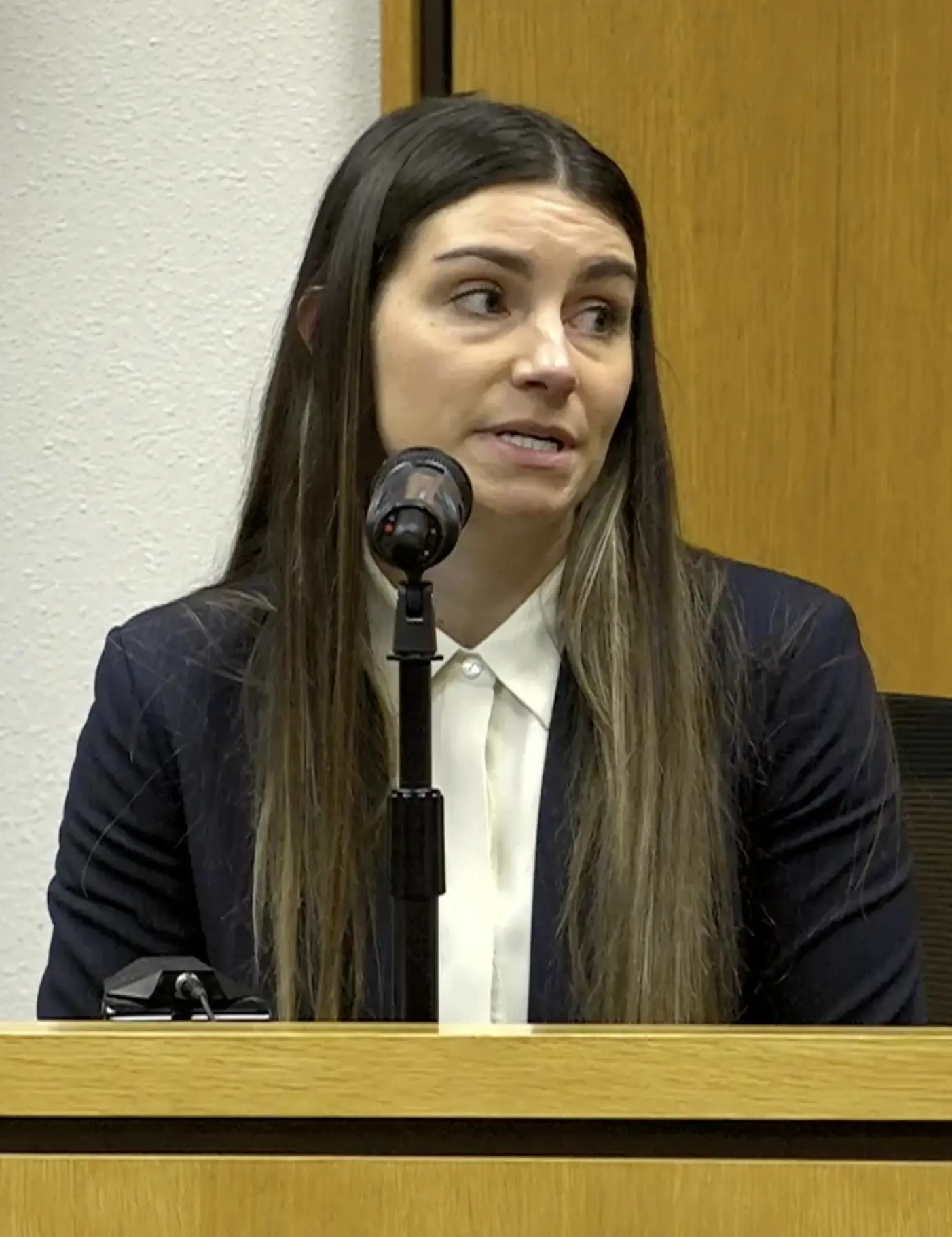
The prosecution next called Michigan State Police laboratory manager Michelle Pansky of the Trace Evidence Unit in Lansing. Pansky was qualified as an expert in paint analysis.
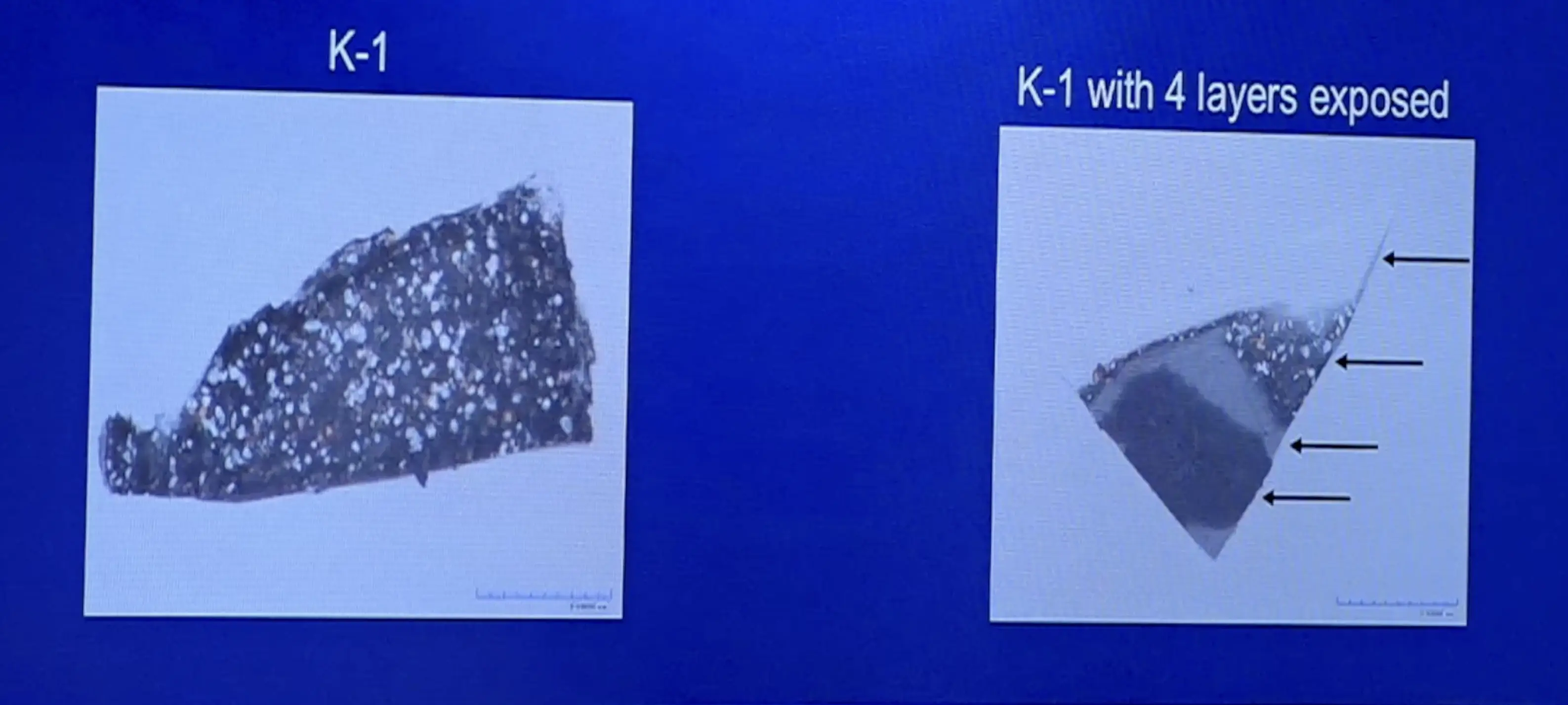
Pansky explained how paint is composed of binders, pigments and additives and described the step-by-step process used to compare paint samples. She testified that analysts begin with visual and stereomicroscopic examination of paint chips, followed by comparison microscopy and additional testing if needed. She said paint cannot be uniquely identified to a single source because it is mass produced, but analysts can determine whether samples are similar or dissimilar.
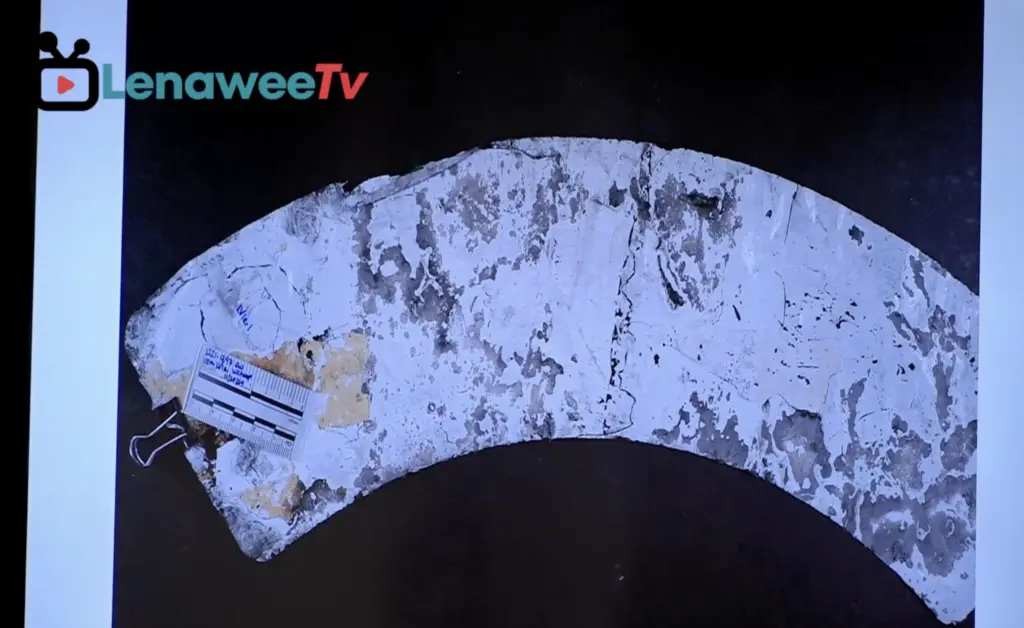
Pansky testified that paint cannot be uniquely identified to a single source because it is mass produced, but analysts can determine whether samples are similar or dissimilar.
Court then recessed briefly before shifting focus from laboratory analysis to the early days of the investigation.
Greca details early investigation and property searches
In the afternoon session, retired Lenawee County Sheriff’s Office Detective Kevin Greca testified about his role as the original lead investigator after Dee Warner was reported missing in April 2021.
Greca told the jury he first became involved April 26 and contacted Dee Warner’s son to determine whether there had been any recent activity on her bank account. He testified there was no activity after she was reported missing.
Greca said he then went to the Munger Road property and interviewed Dale Warner. During that conversation, Greca testified Warner reported between $50,000 and $100,000 missing from a safe inside the home. Greca said he did not count any cash and did not recall being shown money to verify the amount. He also confirmed seeing multiple firearms in the residence and said Warner did not report any guns missing.
On April 27, Greca conducted a walk-through search of the property. Body camera footage played for the jury showed him walking the exterior grounds, checking barns, semis and equipment while looking for Dee Warner or signs of evidence. Greca testified he later requested assistance from a K-9 unit and a drone team. He said he found nothing of evidentiary value during that search and did not recall noticing the tank later central to the prosecution’s theory.
Greca also testified he obtained surveillance video from the property during a subsequent visit and followed standard protocol by placing the original in evidence and creating a working copy for review. He said he collected DNA samples from family members and from personal items inside the home, including a toothbrush and hairbrush believed to belong to Dee Warner.
Under cross-examination, Greca acknowledged Dale Warner consented to multiple searches of the property and provided access to electronic devices during the investigation. Greca also described a March 2022 family meeting where a relative asked detectives to pretend to download a phone without actually doing so. Greca testified he declined that request, stating it could undermine credibility and future cooperation.
The trial is scheduled to continue Monday morning in Lenawee County Circuit Court.